

“`html
Unlock Your Dinner Rut: 30 Days of Delicious Inspiration
Introduction
We’ve all been there. Staring blankly into the fridge, the same tired ingredients mocking you. Dinner rolls around, and the familiar dread creeps in: “What on earth are we going to eat tonight?” This isn’t just a fleeting inconvenience; it’s a full-blown dinner rut, and it’s more impactful than you might think.
The Short-Term Scramble and Long-Term Blues of Dinner Ruts
In the short term, dinner ruts mean increased takeout bills, unhealthy last-minute choices, and that constant gnawing feeling of failing to nourish yourself and your family properly. Maybe you’re defaulting to pasta with jarred sauce, reheated leftovers (again!), or yet another frozen pizza. These choices, while convenient, often lack the vital nutrients our bodies crave, leading to sluggishness, mood swings, and even decreased focus during the day.
But the long-term effects are even more insidious. Repeatedly falling into the dinner rut can erode your cooking confidence. What was once a joy becomes a chore, and the kitchen, a source of stress. It can also impact family dynamics. Dinnertime should be a chance to connect, share, and build memories. When everyone’s frustrated with the same old meals, those opportunities are lost. Think about the missed conversations, the strained interactions, all stemming from the simple problem of a boring dinner rotation.
Furthermore, a lack of dietary variety can negatively impact your health over time. Consistently eating the same few meals can lead to nutrient deficiencies, digestive issues, and even increased risk of chronic diseases. So, breaking free from the dinner rut isn’t just about convenience; it’s about investing in your well-being and the well-being of those you love.
30 Days to Dinner Freedom: Practical Solutions to Ignite Your Culinary Spark
The good news? Escaping the dinner rut is entirely achievable. It takes a little planning, a dash of creativity, and a commitment to trying new things. Let’s dive into a 30-day plan packed with delicious inspiration and practical strategies to unlock your culinary potential:
Phase 1: The Inspiration Jumpstart (Days 1-7)
This week is all about gathering ideas and setting the stage for success.
- Day 1: The Great Recipe Hunt: Dedicate an hour to browsing cookbooks, food blogs (like Budget Bytes, Skinnytaste, or Cookie and Kate), and online recipe databases (Allrecipes, Food Network Kitchen). Aim to find at least 7 new recipes that genuinely excite you. Save them to a digital folder or create a physical “Inspiration Binder.”
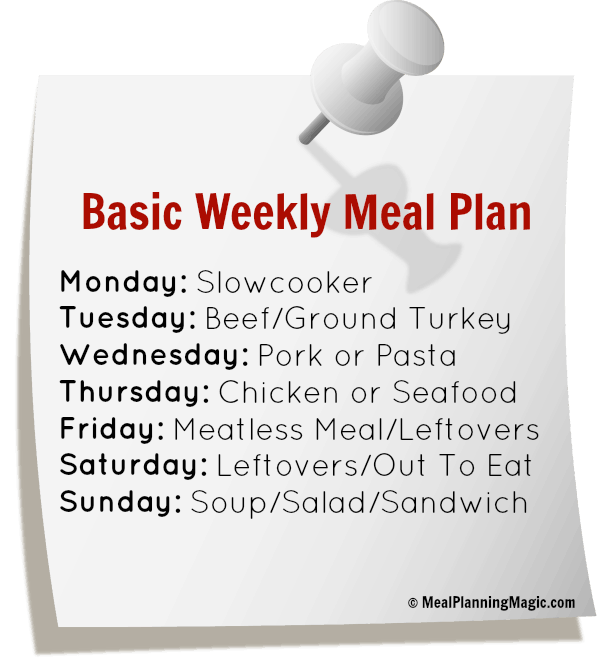
- Day 2: Theme Night Brainstorm: Introduce theme nights to your weekly schedule. Taco Tuesday? Mediterranean Monday? Stir-Fry Saturday? Theme nights provide structure and narrow down your choices, making meal planning less overwhelming.
- Day 3: Pantry Inventory & Wish List: Take stock of your pantry, fridge, and freezer. What staples do you already have? What ingredients are you consistently missing? Create a “Wish List” of ingredients that would allow you to try more diverse recipes.
- Day 4: One-Pan Wonder Experiment: Find a one-pan recipe (sheet pan dinners, skillet meals, slow cooker dishes) that sounds appealing. These are fantastic for weeknights when time is limited.
- Day 5: Ingredient Spotlight: Choose one ingredient you rarely use (e.g., lentils, quinoa, artichoke hearts) and find 2-3 recipes that feature it. Challenge yourself to incorporate it into your meals this week.
- Day 6: Prep Power Hour: Dedicate an hour to meal prepping. Chop vegetables, marinate protein, cook grains, or make a batch of soup or stew. This will save you time and stress during the week.
- Day 7: Recipe Test Run: Choose one of the new recipes you found and make it! Don’t be afraid to adjust the recipe to your liking. Take notes on what you liked and what you would change for next time.
Phase 2: Expanding Your Culinary Horizons (Days 8-21)
This phase focuses on actively trying new recipes and techniques.
- Days 8-14: Theme Night Takeover: Implement your theme night schedule and try a new recipe for each theme. For example, for Taco Tuesday, try shrimp tacos with a mango salsa instead of your usual ground beef tacos.
- Days 15-17: Cooking Technique Challenge: Choose a new cooking technique to learn (e.g., poaching eggs, making a roux, grilling). Watch a tutorial video and try a recipe that utilizes the technique.
- Days 18-19: Leftover Remix: Get creative with your leftovers! Turn leftover roasted chicken into chicken salad sandwiches or use leftover rice to make fried rice.
- Days 20-21: Culinary Collaboration: Involve your family in the meal planning and cooking process. Let them choose a recipe or help with simple tasks like chopping vegetables or setting the table.
Phase 3: Building Sustainable Habits (Days 22-30)
This final phase solidifies your new habits and helps you maintain a diverse and exciting dinner rotation long-term.
- Days 22-24: Freezer Friendly Frenzy: Batch cook and freeze meals for future busy nights. Soups, stews, casseroles, and individual portions of chili are all great options.
- Days 25-27: Spice Rack Revival: Explore the spices in your spice rack. Experiment with different combinations to add depth and flavor to your dishes.
- Days 28: The “Clean Out the Fridge” Meal: Challenge yourself to create a meal using only ingredients you already have in your fridge and pantry. This encourages resourcefulness and reduces food waste.
- Days 29-30: Reflect and Re-Plan: Take time to reflect on the past 30 days. What recipes did you love? What didn’t work so well? Adjust your meal planning approach accordingly and create a new list of recipes to try in the coming weeks.
Alternative Approaches to Consider:
- Meal Kit Services: If you’re short on time and inspiration, meal kit services like HelloFresh or Blue Apron can be a great option. They provide pre-portioned ingredients and easy-to-follow recipes.
- Recipe Subscription Boxes: These boxes deliver unique recipes and ingredients to your door each month, exposing you to new flavors and culinary traditions.
- Cooking Classes: Take a cooking class to learn new techniques and expand your culinary repertoire.
- Potlucks with Friends: Organize potlucks with friends or neighbors. This is a fun way to try new dishes and share cooking responsibilities.
Case Study: Sarah’s Dinner Rut Transformation
Sarah, a busy working mom, was stuck in a cycle of ordering takeout multiple times a week. She felt guilty about not providing healthy, home-cooked meals for her family. By following the 30-day plan, she discovered a love for sheet pan dinners and pre-prepped ingredients. She also implemented theme nights and involved her kids in the cooking process. Within a month, Sarah was cooking 4-5 nights a week, her family was enjoying a wider variety of meals, and she felt more confident and in control in the kitchen.
Take Action and Reclaim Your Dinnertime!
Breaking free from the dinner rut is a journey, not a destination. There will be days when you feel uninspired or tempted to fall back into old habits. But remember, every small step you take towards a more diverse and exciting dinner rotation is a victory. Don’t be afraid to experiment, make mistakes, and most importantly, have fun! You have the power to transform your dinnertime from a source of stress to a source of joy and connection. So, take a deep breath, grab your apron, and embark on this 30-day adventure. Delicious possibilities await!
“`
