

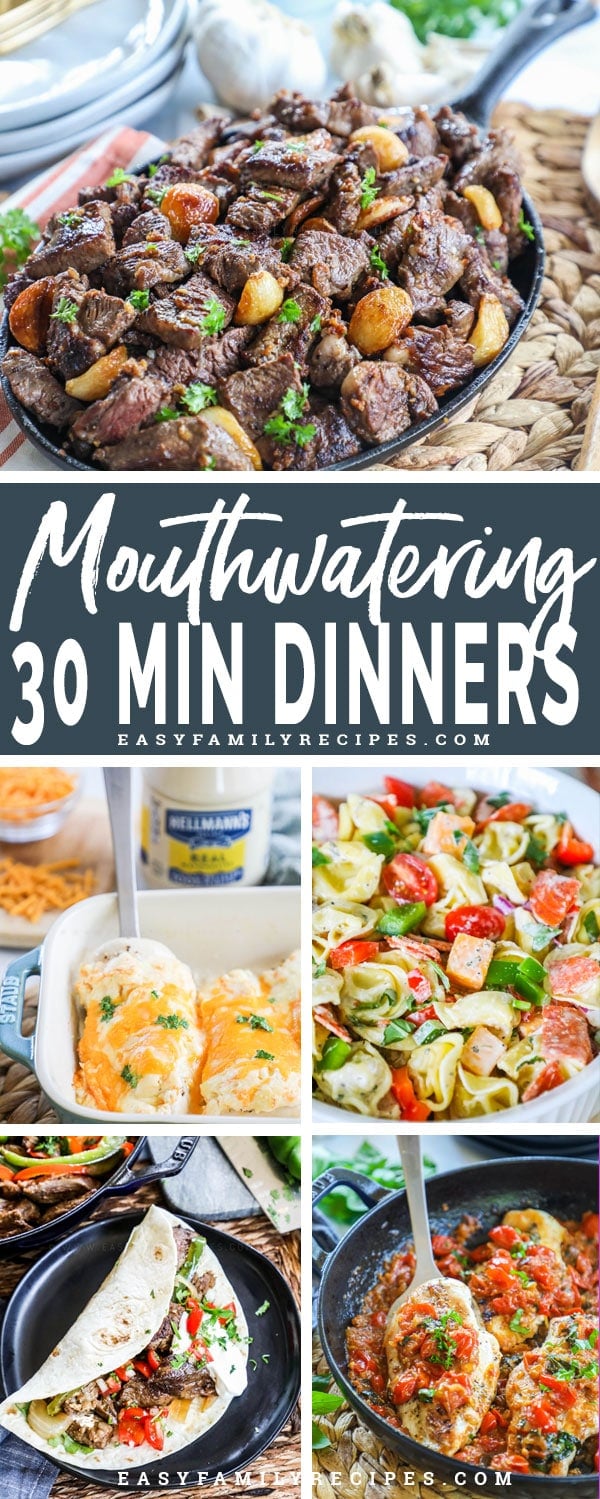
Dinner’s Solved: 30-Minute Meals That Sizzle
Introduction
Ever find yourself staring blankly into the fridge at 6 PM, the weight of “What’s for dinner?” pressing down like a lead balloon? You’re not alone. We’ve all been there, caught between the desire for a delicious, home-cooked meal and the stark reality of a ticking clock and rumbling stomachs. The takeout menu whispers sweet nothings, promising instant gratification, but the guilt of another unhealthy, expensive meal lingers.
Explanation of the Problem
This daily dilemma – the dinner hour showdown – is more than just a minor inconvenience. In the short-term, it leads to rushed, often unhealthy choices, increased takeout bills, and a general feeling of stress and overwhelm. Think about it: that extra pizza order, those frequent trips to the drive-thru, they all add up.
But the long-term implications are even more significant. A reliance on quick, processed foods can negatively impact your health, contributing to weight gain, decreased energy levels, and an increased risk of chronic diseases. Family dinners become less frequent, impacting valuable bonding time and potentially affecting children’s eating habits. The simple act of making dinner morphs into a source of daily stress, impacting your overall well-being.
Solutions
The good news? This doesn’t have to be your reality. Ditching the dinner drama is entirely possible, and it starts with mastering the art of the 30-minute meal. These aren’t just thrown-together concoctions; they’re strategically planned, flavor-packed dishes that reclaim your time, your health, and your sanity. Let’s dive into some strategies that will transform your weeknight dinners from a chore into a joy.
1. The Power of Prep: Your Secret Weapon
One of the biggest time-sucks in cooking is the initial prep work: chopping vegetables, measuring spices, and digging out ingredients. The solution? Meal prepping. Spend a couple of hours on the weekend prepping components that can be used in multiple dishes throughout the week.
- Vegetable Victory: Chop onions, peppers, carrots, and celery and store them in airtight containers. These form the base for countless sauces, stir-fries, and soups.
- Protein Powerhouse: Cook a large batch of chicken breasts or ground beef. Shred or crumble and store for quick additions to tacos, salads, or pasta.
- Grain Game: Cook quinoa, rice, or barley in advance. These can be reheated and flavored in countless ways.
Example: Sarah, a busy working mom, used to rely heavily on takeout. After implementing weekend meal prep, she now whips up meals like chicken tacos with pre-cooked chicken and chopped veggies in under 20 minutes.
2. Embrace the One-Pan (or One-Pot) Wonder
Dirty dishes are the enemy of quick dinners. One-pan and one-pot meals minimize cleanup while maximizing flavor.
- Sheet Pan Sensations: Toss vegetables (broccoli, bell peppers, onions) and protein (sausage, chicken, tofu) with olive oil, herbs, and spices. Spread on a sheet pan and roast until cooked through.
- Stir-Fry Supremacy: Stir-fries are incredibly versatile. Use pre-chopped veggies and a quick-cooking protein like shrimp or chicken. A simple sauce of soy sauce, ginger, and garlic adds incredible flavor. Serve over pre-cooked rice or noodles.
- Soup’s On: Soup is a comforting and surprisingly quick meal. Use canned beans, broth, and frozen vegetables for a speedy and nutritious option.
Example: John, a college student with limited time and kitchen space, relies on sheet pan dinners. He simply throws chopped sweet potatoes, Brussels sprouts, and chicken sausage onto a sheet pan, seasons it, and roasts it for a healthy and satisfying meal with minimal cleanup.
3. Master the Art of Strategic Ingredient Swaps
Don’t be afraid to adapt recipes to fit your pantry and preferences. The key is to understand the function of each ingredient and find suitable substitutes.
- No pasta? Use zucchini noodles, spaghetti squash, or even couscous.
- Out of chicken? Use tofu, beans, or lentils.
- Don’t have fresh herbs? Dried herbs work in a pinch. Just use about one-third the amount.
Example: Maria, a vegetarian, often substitutes ground beef in recipes with lentils. She finds that lentils add a similar texture and are a great source of protein and fiber.
4. Utilize the Convenience of Frozen Foods
Frozen fruits and vegetables are just as nutritious as fresh and can save you significant time and effort. They’re pre-cut, pre-washed, and ready to go.
- Frozen Vegetables: Add them to soups, stir-fries, pasta dishes, or sheet pan dinners.
- Frozen Fruit: Blend them into smoothies, make quick fruit crumbles, or thaw them for topping yogurt or oatmeal.
- Frozen Proteins: Shrimp, chicken breasts, and ground beef can be thawed quickly and used in various recipes.
Example: David, a single professional, always keeps a bag of frozen broccoli florets in his freezer. He steams them as a quick side dish or adds them to pasta for a boost of nutrients.
5. Leverage the Power of Pantry Staples
Stock your pantry with versatile ingredients that can be used in a variety of dishes.
- Canned Beans: Chickpeas, black beans, kidney beans – they’re all excellent sources of protein and fiber and can be added to soups, salads, or tacos.
- Canned Tomatoes: Diced tomatoes, crushed tomatoes, tomato paste – they’re essential for sauces, soups, and stews.
- Pasta and Grains: Whole wheat pasta, quinoa, rice, couscous – they’re the foundation for countless meals.
- Oils, Vinegars, and Spices: Olive oil, balsamic vinegar, soy sauce, garlic powder, onion powder, chili powder – these add flavor and depth to your dishes.
Example: Lisa, a new mom, relies heavily on her well-stocked pantry. She can whip up a quick pasta dish with canned tomatoes, beans, and a sprinkle of Parmesan cheese in under 20 minutes.
Alternative Approaches and Considerations
- Embrace Batch Cooking: If you have a bit more time on the weekend, cook double or triple batches of your favorite meals and freeze them for later.
- Theme Nights: Designate specific nights for certain types of meals. Taco Tuesday, Pasta Wednesday, Soup Sunday – this simplifies your decision-making process.
- Family Involvement: Get the whole family involved in meal planning and preparation. This not only lightens your load but also teaches valuable skills and fosters a sense of togetherness.
Conclusion: Reclaim Your Dinner Hour
The 30-minute meal isn’t just about saving time; it’s about reclaiming your evenings, improving your health, and creating more enjoyable experiences around the dinner table. By embracing these strategies – meal prep, one-pan wonders, strategic ingredient swaps, frozen food flexibility, and pantry staple power – you can transform your weeknight dinners from a source of stress into a source of satisfaction.
Don’t be intimidated by the idea of cooking more. Start small, experiment with different recipes, and find what works best for you and your family. Remember, even small changes can have a significant impact on your well-being.
So, take a deep breath, grab your apron, and get ready to sizzle! Dinner’s solved. Now go enjoy the rest of your evening.
